
The Variety of Waste Found in Land Clearing Projects
Land clearing is a crucial step in many construction and development projects. It involves removing trees, bushes, rocks, and other obstacles from an area to prepare it for future use. While the process clears the way for new developments, it also generates a significant amount of waste. Understanding the types of junk created during land clearing jobs helps ensure efficient disposal or recycling. This knowledge is essential for maintaining environmental standards and planning cost-effective waste management strategies.
Types of Organic Waste
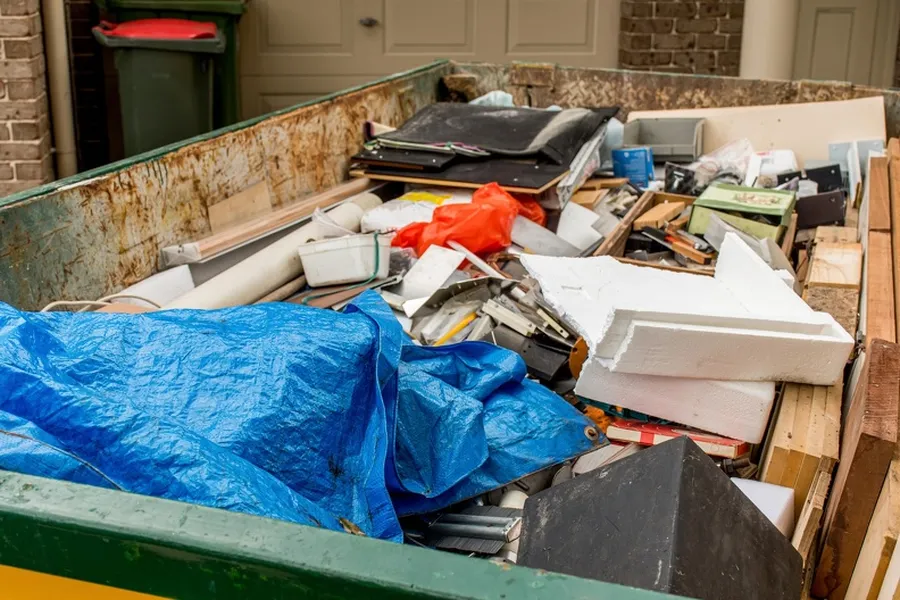
In land clearing jobs, organic waste forms a large portion of the debris. This includes trees, shrubs, and grass that are cut down or uprooted. Although this type of waste is natural, it requires proper handling to avoid environmental issues. Organic waste can often be recycled into mulch or compost, making it a valuable resource rather than junk destined for landfill sites.
Handling Soil and Rock Debris
Apart from plants, soil and rock make up another major category of waste in land clearing. Large volumes of dirt and rocks need relocation or removal from the site. These materials can sometimes be reused in landscaping or construction, depending on their quality and composition. However, if not managed properly, they may end up as part of a larger junk removal task.
Dealing With Construction Materials
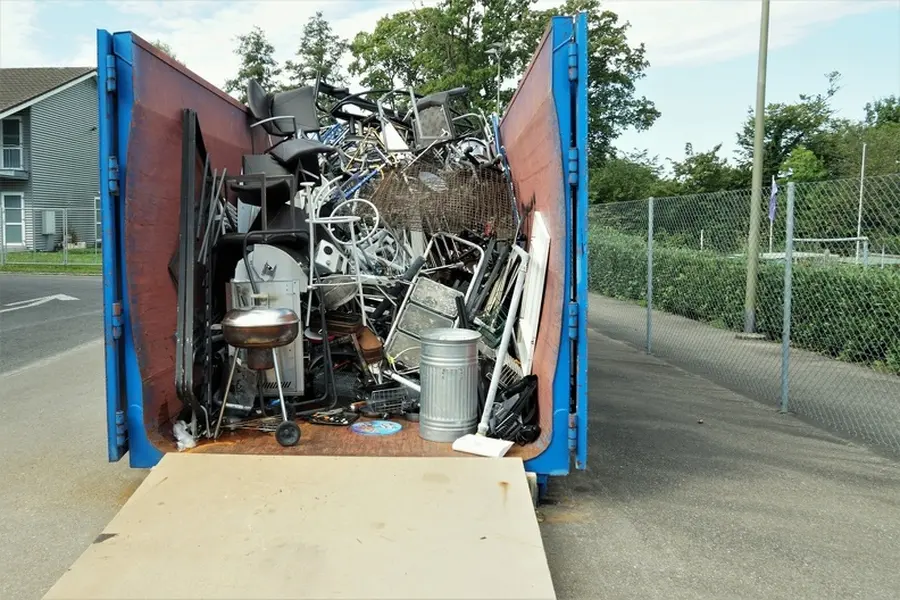
Old structures such as fences, barns, or small buildings may need demolition during land clearing. The demolition results in various construction materials like wood, metal, or concrete becoming waste products. Efficient junk removal practices can help recycle these materials or dispose of them sustainably by following local regulations.
Managing Hazardous Waste
Some land clearing projects might uncover hazardous materials like asbestos or chemicals stored in abandoned structures. Handling these requires specialized procedures to prevent contamination and health risks. Ensuring compliance with safety guidelines is crucial for effective junk removal and protection of public health and the environment.
Best Practices for Waste Management
Effective waste management in land clearing involves several best practices. First, categorize the waste based on its type-organic, inorganic, or hazardous. Next, explore recycling options such as transforming organic waste into compost or reusing soil and rocks in new construction. Finally, partner with certified junk removal services to handle all regulated disposal processes efficiently.
- Categorize waste into organic, inorganic, and hazardous types
- Consider recycling options whenever possible
- Engage professional services for safe disposal
Economic Considerations in Waste Handling
Cost is a critical factor when managing waste from land clearing jobs. Disposal fees vary based on the volume and type of waste. Proper sorting can reduce costs by identifying recyclable materials which are cheaper to dispose of than regular junk. Evaluating different disposal methods allows you to choose the most economically viable option without compromising on environmental responsibility.
Expert Recommendations for Efficient Cleanup
Experts recommend preparing a detailed plan before starting any land clearing job to streamline the cleanup process. Including waste management goals early on ensures minimal environmental impact and compliance with legal requirements. Partnering with experienced junk removal professionals also provides access to specialized equipment needed for efficient waste handling.
Your Go-To Team for Professional Land Clearing Support
Rhino Earth Clearing LLC specializes in efficient land clearing solutions and expert waste management services. Located in Burnet, TX, we understand the unique challenges associated with different types of junk in your projects. Call us at (512) 635-6548 today to learn how our team can support your next project with sustainable practices.