
How to Integrate Site Preparation Techniques Effectively
Combining site clearing with land preparation is crucial for construction projects. Proper planning ensures that the site is ready for development, reducing delays and costs. By integrating these processes, you align project timelines and optimize resource use. This approach also addresses potential environmental impacts early on, ensuring compliance with regulations. Understanding how to combine these strategies can lead to successful project outcomes.
Why Site Clearing Comes First
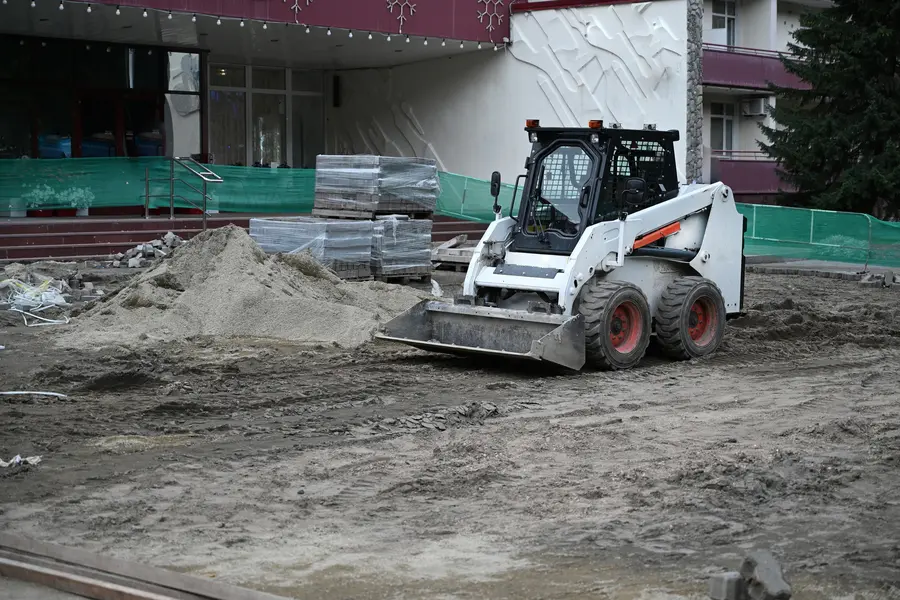
Site clearing involves removing obstacles like trees, rocks, and debris from a construction site. This step ensures that the ground is ready for further preparation. It’s essential because it provides a clear view of the terrain’s natural state. By clearing first, you can identify challenges like slope issues or soil instability before beginning land grading. Efficient site clearing lays the groundwork for accurate preparation in subsequent steps.
The Role of Land Grading in Construction Projects
land grading is crucial in shaping the landscape for construction. This process levels the ground, creating a stable foundation for buildings and infrastructure. Proper grading prevents water pooling by directing drainage effectively, reducing erosion risk. Incorporating this into your site plan enhances overall project integrity. Accurate grading also helps prevent future structural issues related to uneven settling or flooding.
Steps to Coordinate These Processes
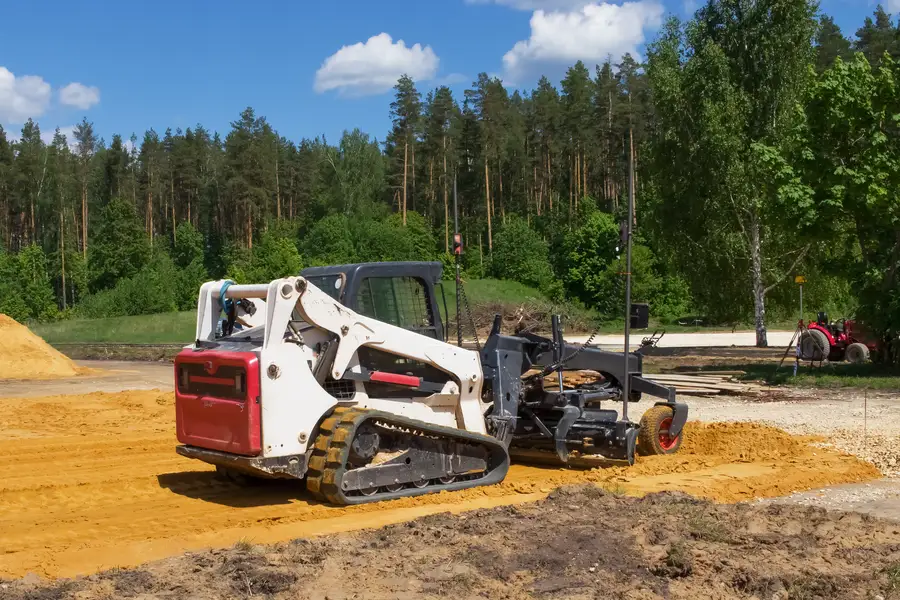
Integrating site clearing with land grading requires careful coordination. Start by assessing the terrain to understand its features and limitations. Engage professionals who specialize in both areas to ensure seamless execution. Develop a timeline outlining when each task should occur. Consider environmental factors that might influence timing, such as weather conditions. Finally, monitor progress closely to adjust plans as needed, maintaining flexibility throughout the project.
Benefits of Combining Strategies
This integrated approach offers several advantages:
- Reduced project delays through simultaneous task management
- Cost savings via efficient resource allocation
- Improved communication among teams working towards common goals
- Enhanced environmental compliance by addressing concerns early
Addressing Common Challenges
Several issues can arise during these processes. Weather disruptions are a frequent challenge, potentially delaying work schedules. Additionally, unexpected site conditions, such as hidden underground utilities or unstable soil, may pose risks. To mitigate these challenges, conduct thorough site assessments and maintain open communication with all stakeholders involved. Prepare contingency plans to handle unforeseen events smoothly.
Best Practices for Successful Implementation
To achieve optimal results, follow industry best practices:
- Conduct detailed initial surveys to understand site characteristics
- Engage experienced contractors familiar with local regulations
- Create flexible schedules to accommodate possible changes
- Utilize technology for precise measurements and monitoring
- Regularly review progress against set milestones
Understanding Regulatory Requirements
Compliance with regulations is critical in these operations. Ensure all necessary permits are secured before commencing work. Familiarize yourself with local zoning laws and environmental protection guidelines. Regular audits can help confirm adherence to these standards throughout the project’s duration. Compliance not only avoids legal issues but also promotes sustainable development practices.
A Closer Look at Project Costs
Project costs can vary based on several factors, including site complexity and required resources. An integrated approach often leads to cost efficiencies by reducing redundant efforts and optimizing labor use. It’s crucial to allocate budgetary funds responsibly, balancing quality with affordability. Highlighting cost-saving measures can attract clients looking for value-driven services.
Your Pathway to Project Success
Choosing Rhino Earth Clearing LLC ensures expert guidance in combining these essential processes. Located in Burnet, TX, our dedicated team provides comprehensive support tailored to your specific needs. Contact us today at (512) 635-6548 to discuss how we can contribute to your successful construction projects.