
The Impact of Removing Plants on Soil Stability
When you remove vegetation from your property, it can have a significant effect on the land’s stability. Plants and trees play an essential role in holding soil in place. Their roots create a network that keeps the earth compact and resistant to elements like rain and wind. Without this natural anchor, the soil becomes loose and more susceptible to being washed or blown away, leading to erosion.
The Role of Plant Roots in Soil Retention
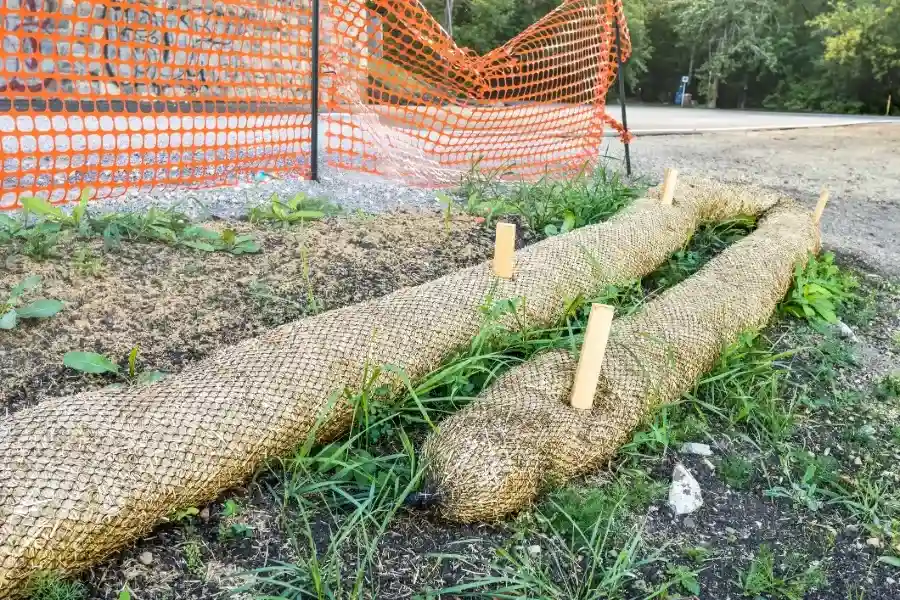
Plant roots are vital for maintaining soil integrity. They bind the soil together, reducing the risk of erosion. When vegetation is removed, these roots decay, leaving the soil unsupported. This lack of support increases the chances of erosion occurring, especially after heavy rains or strong winds. Implementing erosion control measures can mitigate these effects by establishing barriers and using alternative stabilization techniques to protect vulnerable areas.
Erosion Control Methods for Stabilizing Soil
There are various methods you can use for erosion control on your property. Planting grass or ground cover can help because their roots stabilize the soil surface. Another option is installing retaining walls or terraces that physically hold the soil in place. Additionally, mulching bare areas can reduce water runoff and keep soil from washing away during storms.
Consequences of Ignoring Vegetation Removal Impacts
If the effects of removing vegetation go unaddressed, it can lead to several problems. Unchecked erosion depletes fertile topsoil, which is crucial for future planting efforts. It also creates grooves and ditches that could damage landscaping and infrastructure. Over time, this can result in costly repairs and further ecological damage.
Preventive Measures for Homeowners
Homeowners can take preventive steps to maintain healthy landscapes even after vegetation removal. Consider replanting with native species that are well adapted to local conditions and will require less maintenance. Regular inspections to identify early signs of erosion are essential, allowing you to take action before problems escalate.
Expert Recommendations for Managing Erosion Risks
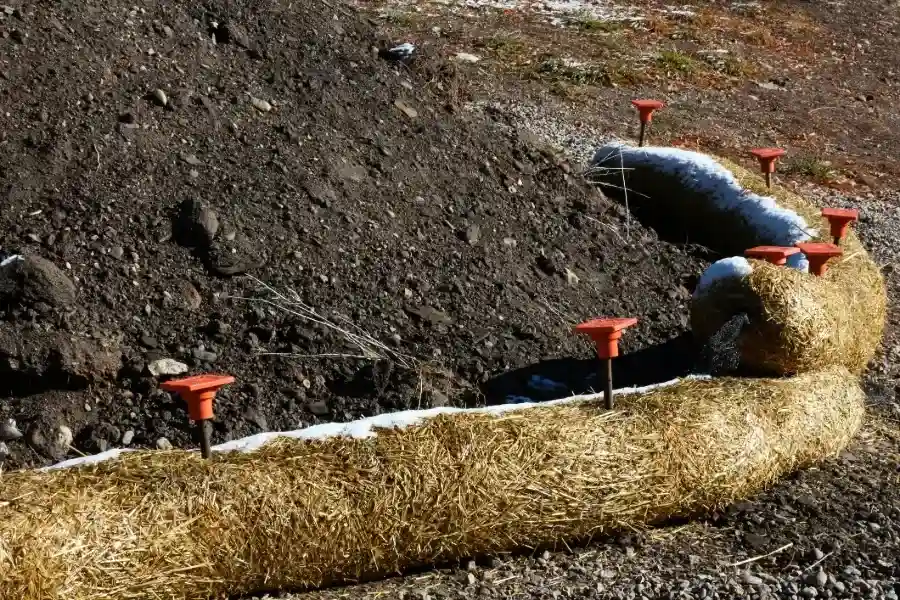
Experts recommend several strategies for managing erosion risks effectively. First, assess the specific needs of your property to choose appropriate solutions. Consulting with professionals specializing in landscape management ensures you select suitable plants and materials. Adopting best practices like contour farming or no-till gardening can also enhance soil stability naturally.
Understanding the Costs Associated With Erosion Management
The costs related to managing erosion may vary based on the chosen methods and extent of intervention required. Initial investments might include hiring experts or purchasing materials like mulch or retaining structures. However, these costs are often offset by preventing future damages such as loss of valuable soil or structural repairs.
Your Path to Effective Soil Management
Taking steps to manage erosion after vegetation removal protects your investment in your property’s landscape. By understanding how plant life influences soil health, homeowners can make informed decisions about maintaining balance post-removal. Call us at (512) 635-6548 for expert guidance tailored to your needs. At Rhino Earth Clearing LLC, we pride ourselves on delivering comprehensive services designed for lasting results. Located in Burnet, TX, our team is ready to assist you in protecting your land from potential damage.