
Understanding the Dangers of Soil Disturbance
When land is cleared without proper planning, several issues can arise. One of the most pressing concerns is soil erosion. This process occurs when topsoil becomes unstable and is washed away by rain or wind. Without vegetation to hold the soil in place, fields and slopes are at risk. This loss not only damages the immediate environment but also affects water quality and habitat balance. Recognizing these risks is crucial for maintaining healthy ecosystems.

The Impact on Local Ecosystems
Ecosystems rely on stable soil to support plant life and provide habitat for animals. When erosion happens, it disrupts these systems. Plants struggle to grow as their roots can’t anchor in loose soil. This leads to a decline in plant diversity and affects food sources for wildlife. Sediments can clog waterways, harming aquatic habitats. It’s clear that improper land clearing has far-reaching effects on nature.
Soil Stability Concerns
Soil stability is a significant issue after land is cleared incorrectly. Without trees or plants, there’s nothing to prevent soil from shifting. Rainfall can quickly erode loose earth, leading to landslides in extreme cases. Implementing erosion control measures can help mitigate these problems by keeping soil where it belongs.
Water Quality Issues
As erosion sweeps soil into rivers and streams, it degrades water quality. The sediment carries pollutants that harm aquatic life and make water unsafe for human use. This can lead to increased treatment costs for communities relying on these water sources. Effective erosion control practices help protect our waterways from contamination.
Affected Agricultural Productivity
Agriculture depends heavily on fertile soil. Erosion removes nutrient-rich topsoil, which is essential for crops. Farmers may see reduced yields and poorer-quality produce if erosion isn’t managed properly. To maintain productive land, it’s vital to address erosion risks early and effectively.
Curbing Financial Losses
Erosion doesn’t just impact the environment; it also has financial implications. Repairing damage caused by erosion can be costly, whether through rebuilding infrastructure or restoring lost vegetation. Preventative measures are often more cost-effective than dealing with the aftermath of severe erosion events.
- Stabilize soil with cover crops
- Implement drainage solutions to manage runoff
- Create buffer zones with native plants
- Use terracing techniques on slopes
- Regularly monitor and maintain land conditions
Preventive Measures You Can Take
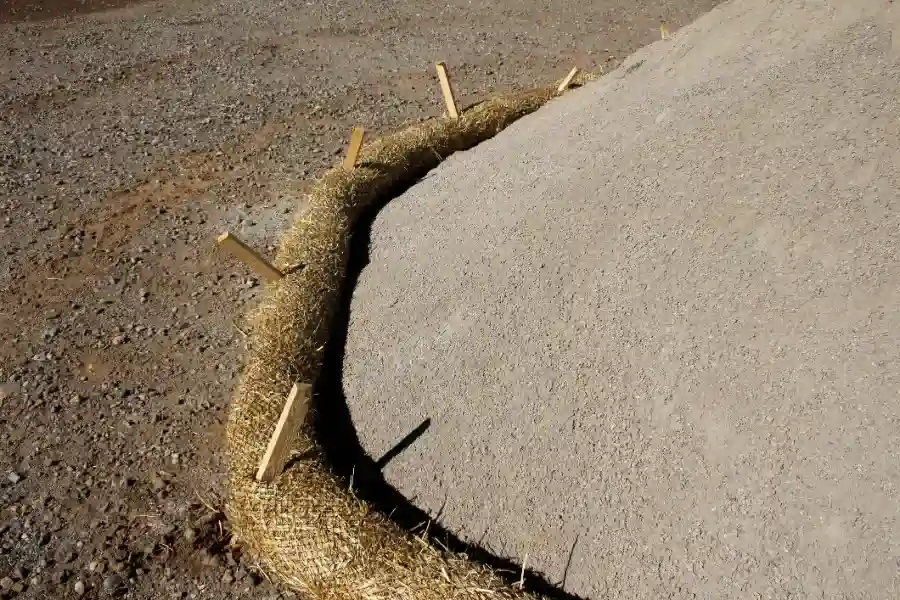
To combat erosion effectively, consider proactive strategies. Ensure your land-clearing plans include adequate safeguards against soil loss. Use vegetation strategically to stabilize soil and control water flow. Incorporate barriers like silt fences to catch sediment before it enters waterways. By taking these steps, you safeguard both the environment and your property investments.
Secure Your Land’s Future
Tackling erosion requires commitment and action. Contact us today at (512) 635-6548 to learn how we can assist you with effective solutions. Located in Burnet, TX, our team at Rhino Earth Clearing LLC specializes in managing land-clearing challenges while protecting valuable natural resources.